
3D visuals have become a core part of modern advertising. At loom, a creative agency based in Vienna, we work with clients like McDonald's, Google, IKEA, and others to create impactful campaigns for digital out-of-home (DOOH), TV, and social media. Some projects come to us fully developed. Others start with just an idea. Either way, our goal is always to build 3D content that feels focused, intentional, and worth watching. Here's how we approach that process in 7 key steps.
1. Know What the Format Is For
3D visuals are a tool, not a style. That tool only works when it's grounded in a purpose. Is the goal to turn heads in public space? Drive interaction on social media? Make a product launch memorable? We always begin with clarity about context and intent because a massive corner LED screen behaves nothing like a phone screen.
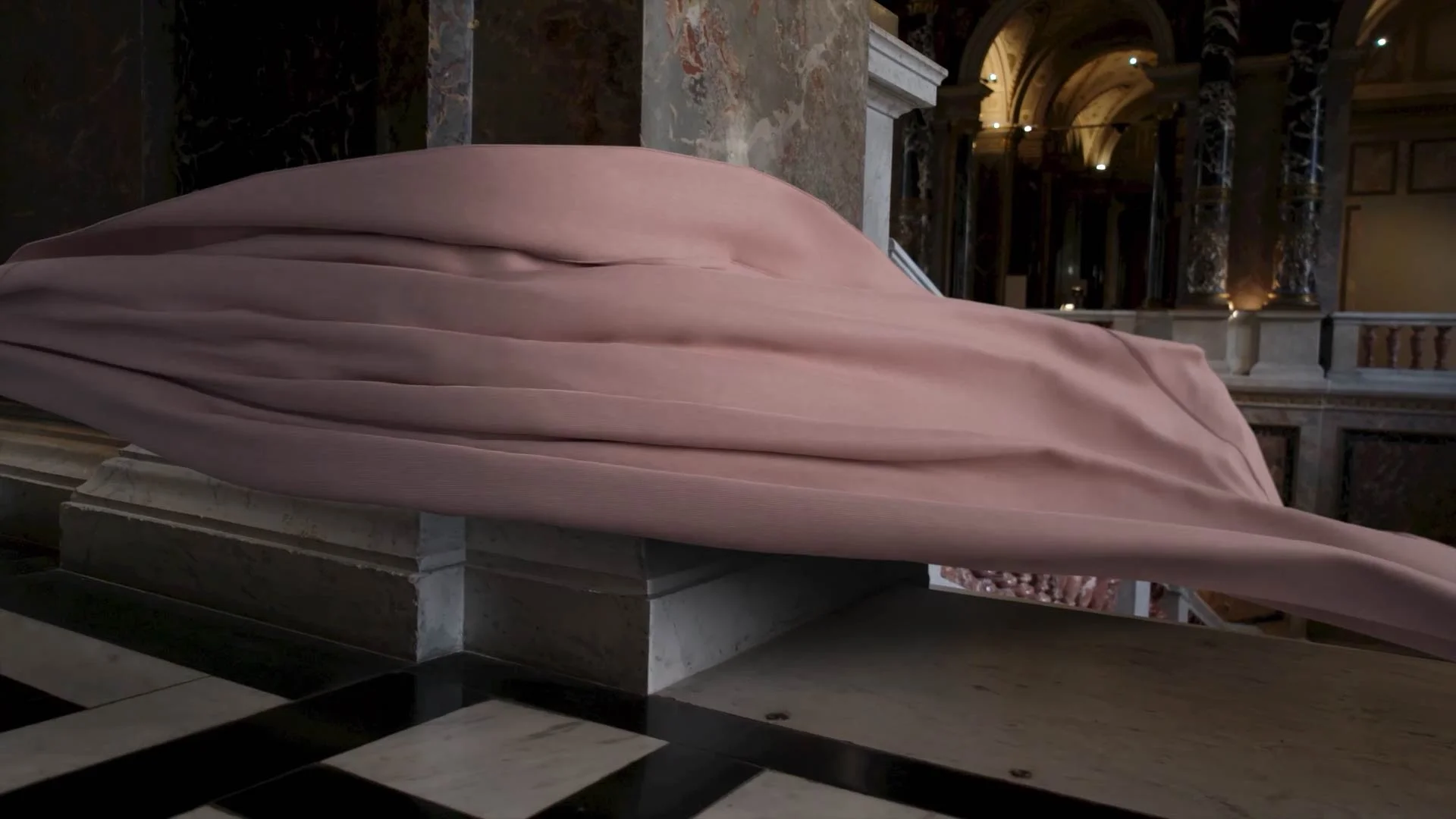
2. Treat the Medium Like a Canvas, Not a Stage
Especially in 3D DOOH, space and movement aren't just decorative, they define how the viewer perceives your content. A successful 3D loop creates a single, immediate visual moment that hooks attention. It doesn't need dialogue or explanation. We've seen this with campaigns like Google Pixel on Vienna's Mariahilferstraße. The design worked because it used space cleverly.
3. Visual Concepts Come First
Before we animate anything, we design the core moment. A 3D illusion is only effective if it's simple and clean in structure. Whether it's a product reveal, a surreal transition or a depth trick, the moment must be easy to read and worth looking at again. This is especially true for mixed reality content, where CGI is blended into real environments. Without a strong concept, the result feels random. With one, it becomes memorable.
4. Movement That Serves the Idea
In motion design, clarity is more important than spectacle. Well-structured 3D animation creates rhythm, guides attention, and gives the message room to land. We design each sequence with purpose, so that the animation supports the core idea, not distracts from it. Timing, pacing, and transitions all work together to enhance the visual flow.
5. Make the Technology Invisible
We work with AR, VFX, web-based 3D and spatial computing tools but we don't lead with the tech. The best outcome is when people forget how it was done, because they're too focused on what it says. In augmented reality, that might be an interactive product demo. In CGI-based FOOH, it's about illusion that feels plausible, even when it isn't. The tech is the enabler, not the star.
6. Design for Shareability
Every campaign we build is created with multiple surfaces in mind: LED walls, social feeds, reels, websites etc. We often deliver adaptive versions, not just exports. This flexibility ensures that the content stays strong wherever it travels.
7. Don't Overcomplicate It
The strongest 3D executions usually come from one good idea, not ten. We help clients narrow down concepts to the essentials and focus on what matters most visually. The rest is polish.
Conclusion
Great 3D campaigns don't shout. They connect. At loom, we develop visual systems, not just visuals. Whether you're planning a one-off hero spot or a full 3D brand rollout, we're here to help shape the process, from first concept to final render.
Let's create something they can't ignore.
More Articles
Ready to create something amazing?
Let's bring your vision to life with cutting-edge 3D animation and CGI.
Get in Touch